How Many Photos Should a Wedding Photographer Deliver? (2026)
Most full-day weddings deliver 400 to 800 edited photos, half days 200 to 400 and elopements 100 to 250. The per-hour rule, what culling removes, and what to ask.
Short answer
Expect roughly 400 to 800 edited photos from a full-day wedding, 200 to 400 from a half day, 100 to 250 from an elopement and 1,000 or more from a multi-day wedding: about 50 to 80 per hour of coverage. A carefully chosen 450 is usually a better delivery than a loosely culled 900.
It is in almost every enquiry email and every wedding forum thread: how many photographs should you actually get from your wedding? The honest answer is that the number matters less than most couples expect and more than some photographers admit. A count tells you very little about quality, but a count that is far outside the normal range tells you that something about the coverage, the editing or the expectations needs a conversation.
This guide gives realistic numbers for every kind of wedding, explains what drives them, why more is not automatically better, how the count is spread across the day, and how photographers and couples can agree on it before the wedding so that nobody is surprised when the gallery arrives.
- The short answer
- Realistic numbers by coverage
- The per-hour rule of thumb
- Where the photos come from in the day
- What actually drives the count
- Shot versus delivered: what culling removes
- Why more isn't better
- When a number is genuinely too low
- Black and white copies, duplicates and unedited files
- For couples: what to ask instead of a number
- For photographers: setting and keeping expectations
- Making 600 photos easy to browse
- Turning a big gallery into an album
The short answer
For a full-day wedding of 8 to 10 hours, 400 to 800 edited photographs is the common range. A half day of 4 to 5 hours usually means 200 to 400, an elopement or registry office wedding 100 to 250, and a multi-day wedding 1,000 or more. A useful rule of thumb is 50 to 80 delivered photographs per hour of coverage.
Within that range, a smaller, carefully chosen gallery is usually the better delivery. Someone has already removed the blinks, misses and near-identical frames, which is work you would otherwise have to do yourself.
Realistic numbers by coverage
| Coverage | Typical delivered | Typical frames shot |
|---|---|---|
| Engagement or portrait session (1–2 hours) | 40–80 | 200–500 |
| Registry office or elopement (1–3 hours) | 100–250 | 500–1,200 |
| Half-day wedding (4–5 hours) | 200–400 | 800–1,800 |
| Full-day wedding (8–10 hours) | 400–800 | 2,000–4,000 |
| Full day with a second shooter | 600–1,000 | 3,500–6,000 |
| Multi-day wedding (2–4 events) | 1,000–2,500 | 6,000+ |
These are the ranges you will see from most established wedding photographers. Individual photographers sit at different points inside them, and that is a matter of style rather than value: a documentary photographer who tells the day as a story may deliver more, while a photographer with a fine-art approach may deliver fewer, more finished images.
The per-hour rule of thumb
Dividing the delivered count by the hours of coverage gives a number you can compare between photographers: 50 to 80 per hour is typical. Under about 40 per hour for a full day is worth asking about. Over about 120 per hour usually means a light cull, with several versions of the same moment.
The rule bends at both ends. A one-hour ceremony with family groups may produce 100 photographs because so much happens at once. A twelve-hour day may average lower because the quiet stretches between the meal and the evening do not need many frames. Use the number to start a conversation, not to judge one.
Where the photos come from in the day
For a typical full-day wedding with about 600 delivered images, the coverage might divide something like this:
| Part of the day | Approximate share | Approximate photos |
|---|---|---|
| Getting ready, details and the dress | 10–15% | 60–90 |
| Ceremony | 15–20% | 90–120 |
| Family and group photos | 8–12% | 50–70 |
| Couple portraits | 10–15% | 60–90 |
| Drinks reception and candids | 15–20% | 90–120 |
| Venue, décor and the meal | 5–10% | 30–60 |
| Speeches | 5–10% | 30–60 |
| First dance and evening | 10–15% | 60–90 |
The shares change with every wedding. A small wedding with long portraits will lean towards the couple; a big family wedding leans towards candids and group photos. What should never happen is a large total with a thin ceremony or almost nothing from the speeches. When you compare galleries, look at the spread, not just the total.
What actually drives the count
- Hours of coverage. By far the biggest factor. Ten hours produces roughly twice the material of five.
- A second shooter. Adds roughly 30 to 50 percent, not double, because the two photographers often cover the same moments from different angles and only the best of each pair is kept.
- Number of guests. A wedding of 200 produces far more candid moments than a wedding of 30.
- How much is happening. Several ceremonies, cultural traditions, games, a long dance floor: each adds frames. This is why multi-day Indian weddings often deliver over 1,000 photographs per day.
- Group photo list. Twenty family combinations at three frames each is 60 photographs before any portraits.
- The photographer's culling style. Two photographers covering the same wedding could deliver 450 and 900 photographs, and the 450 might well be the better gallery.
Shot versus delivered: what culling removes
Most wedding photographers deliver somewhere between a fifth and a third of what they shoot. The rest is not wasted; it is how good photographs are made. Removed frames include:
- Blinks and half-blinks, especially in groups, where several frames are taken so that one has everyone's eyes open.
- Focus and exposure misses in fast moments like the confetti exit or the dance floor.
- Bursts. Ten frames of the first kiss become the best one or two.
- Awkward in-between moments: mid-sentence faces, mouths full at the meal, someone walking through the frame.
- Test shots for light and settings.
A cull is a judgement about which version of each moment tells it best, and it is one of the main things you are paying a photographer for.
Why more isn't better
There is a strong instinct that more photographs means more value. In practice it often means the reverse.
A gallery of 450 carefully chosen photographs reads like a story: each moment once, in its best version. A gallery of 900 with eleven near-identical frames of the cake is tiring to browse, slow to share with family, and hard to turn into an album, because the couple now has to do the choosing the photographer skipped. Most people look at a wedding gallery properly once or twice, then come back to their favourites; the fewer weak frames between them and those favourites, the better the gallery feels.
Be careful of photographers who advertise a very high count as a headline feature. It often means little culling, and near-duplicates are the giveaway when you look at a full sample gallery.
When a number is genuinely too low
Fair in the other direction too: for a full day, under about 300 delivered images is worth asking about. It is not automatically wrong, but there should be a clear reason, such as a small guest list, a short day, a planned gap in coverage, or a deliberately spare artistic style. A vague answer to "why so few?" is more concerning than the number itself.
Also check what the number includes. Three hundred photographs with only a handful from the ceremony is a coverage problem, not a counting one. Ask to see a complete gallery from a similar wedding before you book; our guide to choosing a wedding photographer covers what else to look for in one.
Black and white copies, duplicates and unedited files
Three things can quietly change what a number means:
- Black and white versions. Some photographers deliver a black and white copy of many frames as well as the colour one. That is a nice extra, but 600 photos including 200 black and white copies is really 400 moments. Ask whether conversions are counted.
- Unedited files. Most photographers do not deliver raw or unedited frames, and that is standard: the edit is part of the work. If you would like everything, ask before booking rather than after, and expect it to be priced separately.
- Every delivered frame should be edited. Colour and exposure, at least. Ask whether that is the case, because "800 photographs, 200 edited" is a very different delivery from "600 photographs, all edited".
For couples: what to ask instead of a number
A count is a weak question on its own. These tell you much more:
- "Could we see a complete gallery from a wedding like ours?" Five minutes of scrolling tells you more than any number: the spread across the day, the editing, and how many near-duplicates were left in.
- "Roughly how many photos do you usually deliver for our hours, and is that in the contract?" A range in writing is reasonable to ask for.
- "Are all the delivered photos edited?"
- "How will we receive them, and for how long can we access them?" A private online gallery that stays up for a year is a very different experience from a download link that expires in a week.
- "When will we get them?" Our guide on how long wedding photos take covers what is normal.
Our list of questions to ask your wedding photographer covers the rest of the booking conversation.
For photographers: setting and keeping expectations
Put a range in the contract. "Typically 500 to 700 edited photographs for a full day" prevents the anxious week-six email and costs you nothing, because you will land inside it. Avoid a single number; a range lets you cull honestly. Our guide to what to include in a photography contract covers the wording.
Show a full gallery, not just highlights. Couples who have seen a complete wedding from you know what 600 looks like, and they stop asking for a number.
Cull with confidence. Remove the blinks, misses and all but the best of each burst. Couples cannot name what a good cull is, but they feel it: a tight gallery reads as skill.
Keep the count consistent with your hours. If you deliver 900 from one eight-hour wedding and 400 from the next, couples who compare notes will ask why. Your own per-hour figure is a good check before you export.
Making 600 photos easy to browse
The count matters less when the gallery is well organised. A few things make a large wedding gallery feel smaller and easier to enjoy:
- Sections in the order of the day. Getting ready, ceremony, family, portraits, reception, evening. Couples find their favourite moments faster, and guests can jump straight to the part they were in.
- A strong cover. The first photograph sets the tone for everything below it.
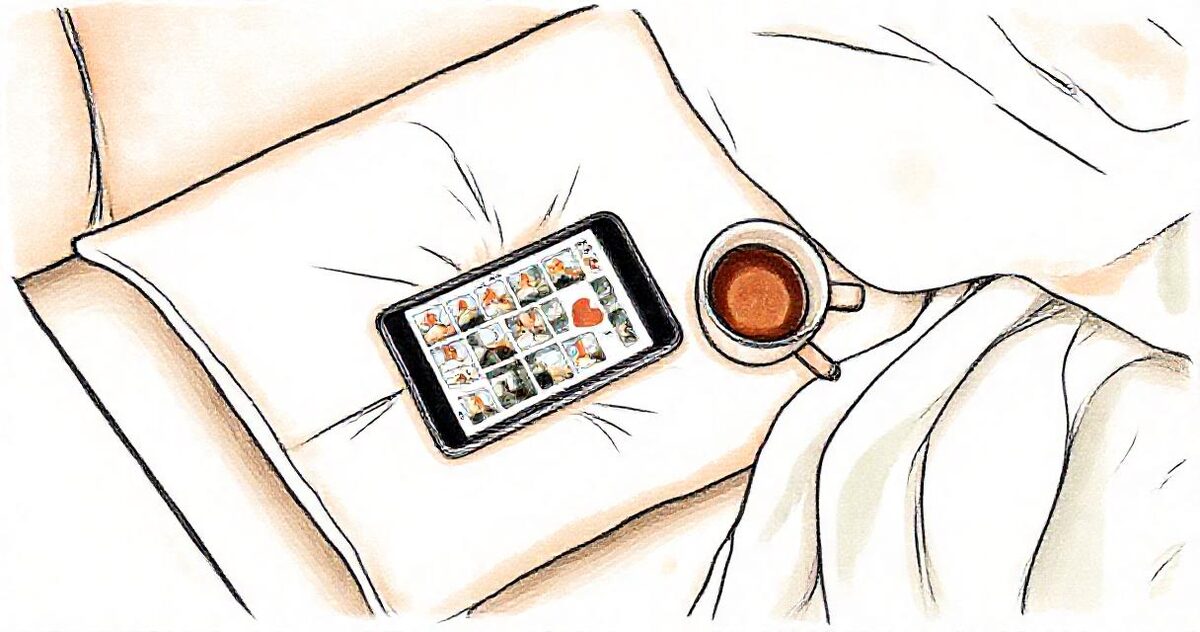
- Favourites. Let the couple heart photos as they browse, so their best 50 are one tap away the next time they open the gallery.
- A gallery that works on phones. That is where most family members will see it first, usually from a link in a group chat.
If you deliver from Google Drive, GalleryLink turns the folder into that kind of gallery: each subfolder becomes a section in the order you number them, clients can heart their favourites, and the gallery updates when the folder does, so a sneak peek and the full set can share one link. Our guide on how to deliver wedding photos to clients covers the folder layout.
Turning a big gallery into an album
A large count makes one job harder: choosing photos for an album. Picking 60 from 600 is where many couples stall for months. Photographers can make it much easier by giving a clear target and letting couples choose inside the gallery itself, rather than sending a list of file numbers by email. In GalleryLink, Pro galleries can switch on album selection with a target, such as "choose 60", so the couple sees their count as they go and submits one final set. Our client proofing and photo selection workflow walks through it.
Whatever the number turns out to be, the goal is the same: every important moment of the day, each one in its best version, in a gallery the couple will actually come back to.